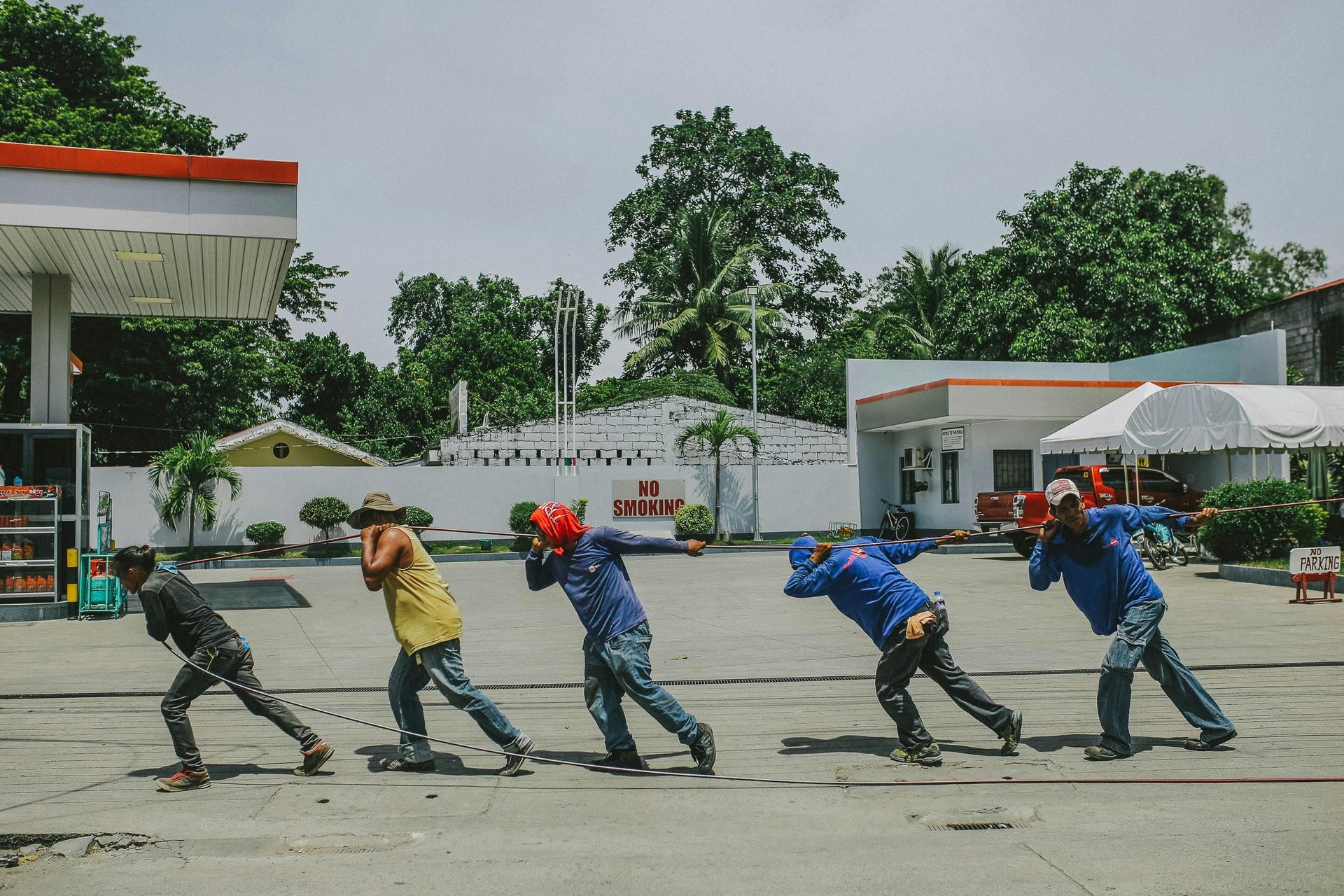
“Hard Work. Dedication. Discipline. Preparation.”The principles behind real change.
Preparation: The Power of Thinking Before the Storm
Why planning your response changes everything

I used to react to everything.
Anger? React.
Stress? React.
Pressure? React.
Preparation changed that.
Emotional reactions used to control my decisions. If something went wrong, I responded fast — and usually wrong. No pause. No strategy. Just impulse.
The shift wasn’t becoming calmer. It was becoming prepared.
Preparation means deciding in advance how you will respond to stress, anger, temptation, or pressure. It turns emotional chaos into controlled action.
Why Preparation Improves Emotional Control
Psychology calls this implementation intention — the science of “If–Then” planning. Research shows that people who pre-decide their response to triggers are significantly more likely to stay consistent and follow through.
“If I feel anger rising, I will pause and breathe.”
“If I want to quit, I will do five minutes anyway.”
“If I feel overwhelmed, I will focus on one next step.”
This isn’t motivation. It’s stress management strategy.
Neuroscience explains why it works. Planning activates the prefrontal cortex — the part of the brain responsible for reasoning and impulse control. When you think ahead, you reduce reactive emotional responses from the amygdala.
In simple terms: preparation strengthens emotional regulation.
Athletes rehearse before competition.
Leaders plan before crisis.
Disciplined people decide before temptation.
Preparation vs. Reaction
Reaction is emotional.
Preparation is intentional.
Reaction asks, “Why is this happening?”
Preparation asks, “What’s my move?”
When you expect difficulty, you don’t collapse under it. You execute.
Preparation doesn’t prevent stress. It prepares your mindset for it.
Preparation in the H.D.D.P. Framework
Within the H.D.D.P. model (Hard Work, Dedication, Discipline, Preparation), preparation protects progress.
Hard Work builds momentum.
Dedication sustains commitment.
Discipline builds consistency.
Preparation ensures resilience under pressure.
Without preparation, one emotional moment can undo weeks of effort.
With preparation, setbacks become training reps.
How to Practice Preparation This Week
- Identify your biggest trigger (anger, procrastination, cravings, anxiety).
- Create one If–Then plan.
- Mentally rehearse your response.
- Write the plan down.
- Review your response each night.
Small preparation creates long-term resilience.
Final Thought
You cannot control every storm in life. But you can control your response to it.
Preparation builds emotional strength. It creates consistency. It strengthens mindset. And over time, it transforms reaction into discipline.
Think before the storm.
Plan your response.
Then execute.
That’s how real growth happens.